The Elephant in the Room: Why SEL Isn't Sticking
Let’s start with a blunt truth that most professional development seminars are too polite to mention: Social Emotional Learning (SEL) isn’t failing because teachers don’t care. It’s failing because it was designed for a reality that doesn’t exist.
For years, we’ve acted like teachers don’t believe in SEL. In reality, we’re asking educators to teach a standalone SEL lesson in the exact moments their classrooms are already dysregulated. Even though teachers know SEL helps calm the room and improve behaviour, expecting them to stop a chaotic Tuesday morning to deliver a 30-minute scripted traditional SEL program while students are spiralling, arguing over a pencil, and the pacing guide is already behind, is unrealistic. In those moments, survival comes first, and SEL becomes collateral damage.
When SEL feels disconnected from real classroom conditions, students disengage, classroom climate deteriorates, and over time, this contributes directly to chronic absenteeism.
If SEL can’t fit a chaotic school day, it won’t work. Period.
SEL was never meant to be another subject crammed into the schedule, but that doesn’t mean it’s optional. It’s foundational to student success, and eventually, policymakers need to give it the space it deserves in the curriculum. Until then, the goal is simple: protect a consistent 15–20 minutes a day where SEL can actually work.
The #1 reason SEL lacks consistency isn’t a lack of heart: it’s a design problem. Teachers don’t get the chance to see impact because time is tight, and most programs are built to teach the teacher instead of meeting students where they are. The lessons feel scripted, adult-designed, and disconnected from real student challenges. When relevance is low and time is scarce, buy-in disappears. Not because teachers don’t care, but because the system isn’t built for the reality of the classroom.
Comparison: The "Ideal" vs. the "Real" Classroom
Traditional SEL assumes a calm, prepared environment. Frictionless SEL assumes the “mess” is already happening.
| Feature | Traditional SEL | Frictionless SEL |
|---|---|---|
|
Preparation |
30–60 mins of manual review |
Zero Prep: Plug-and-play digital |
|
Teacher Role |
Primary Lecturer/Expert |
Facilitator: Students actively engage in their learning
|
|
Delivery |
Worksheet and monologues |
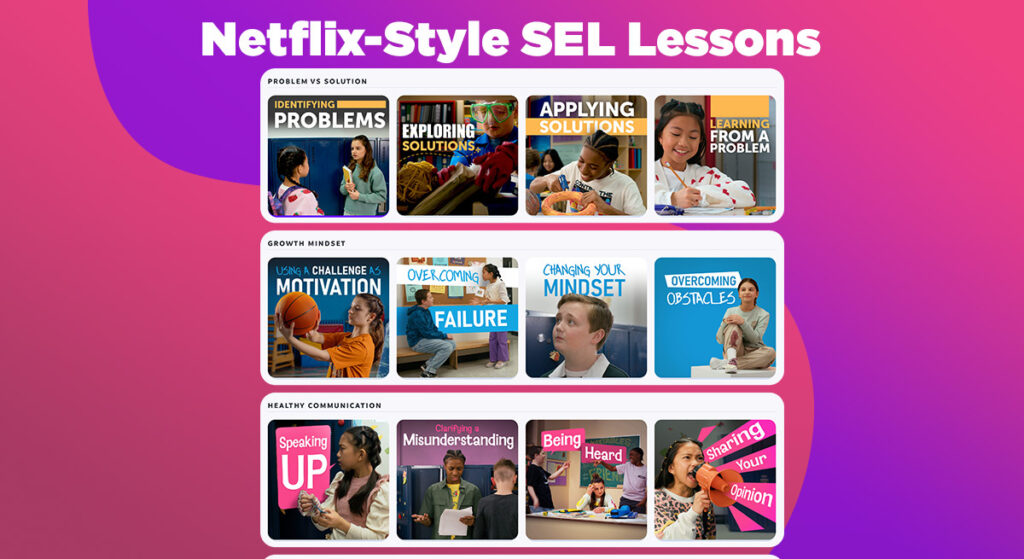
Digital Native: Interactive, highly engaging video lessons that model behaviors and skills |
|
Adaptability |
Fixed Scope and Sequence |
Adaptive: Pivots to real-time needs |
|
Data Loop |
Annual surveys (Lagging) |
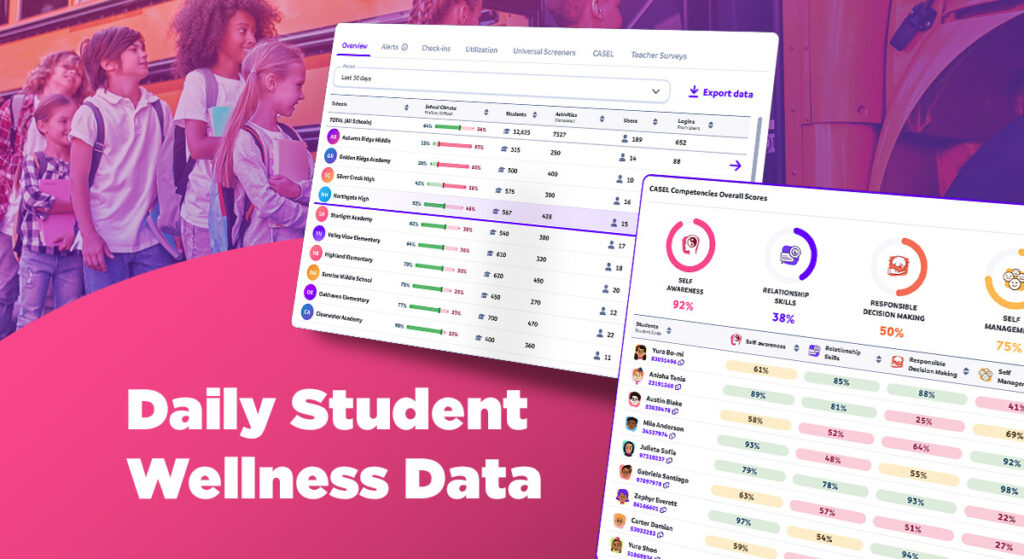
Daily Pulses: Real-time wellness insights from the classroom |
Defending the Front Lines: Teachers are Maxed Out
Before we talk about “fixing” SEL, we have to acknowledge the state of the classroom. To suggest that consistency is a matter of “willpower” is an insult to the profession. Teachers are currently navigating a perfect storm of rising violence, complex student traumas, and social media-induced anxiety.
Teachers are maxed out. The rise in violence in schools is alarming. Student behaviours have become more volatile and complex. The emotional weight students carry into the building, trauma, social media anxiety, and home instability, is heavier than ever before. Asking a teacher to find time for one more initiative is disconnected from reality.
When an SEL program requires a 40-page manual, an hour of prep, and a calm environment to execute, it isn’t a resource; it’s a burden. We cannot blame teachers for inconsistency when we give them tools that require a surplus of time they don’t have. To fix SEL, we don’t need teachers to do more; we need the tools to do more for them.
Killing the Myth of "Finding Time" for SEL
We’ve all heard the suggestions in staff meetings: “Just do it during the morning circle.” “Use the five minutes after lunch.”
On paper, those moments exist. In the real world, those are the most chaotic transitions of the day.
- Morning Circle is often interrupted by late arrivals, announcements, and breakfast clean-up.
- Post-Lunch is spent de-escalating playground conflicts that follow students back inside.
- Rainy Recess is a desperate scramble for crowd control.
If SEL needs prep, setup, or a perfectly quiet room to be effective, it is dead on arrival. The moments where students need SEL skills the most are exactly the moments when teachers have the least capacity to teach a formal lesson. If we continue to treat SEL as a scheduled block that requires a teacher to switch gears, it will continue to be skipped in favour of core academics.
The Quiet Part Out Loud Inconsistent: SEL Undermines Skill Development
Here is the uncomfortable truth: Inconsistent SEL doesn’t build skills.
You do not develop resilience, self-regulation, or executive functioning from something students see only occasionally. If students only hear about emotional regulation once every two weeks when the schedule happens to align, the neural pathways simply do not form.
- Repetition wins.
- Familiarity wins.
- Predictability wins.
When SEL is inconsistent, students view it as “fluff.” They don’t internalise the strategies because those strategies aren’t present when things get hard. We don’t expect a student to learn long division by looking at a worksheet once a month; we shouldn’t expect them to master impulse control under the same conditions.
Redefining SEL: From "Lesson" to "Utility"
If we want consistency, we must stop treating SEL as a lecture and start treating it as an experience. True SEL should require minimal preparation, no prior expertise, and be highly engaging for students.
It needs to be designed for the “mess” during transitions, after a conflict, or when emotions are high. We need to move toward frictionless engagement. This means moving away from the worksheet and lecture model and toward a model that speaks the language students already speak: short, relatable, and digitally native content.
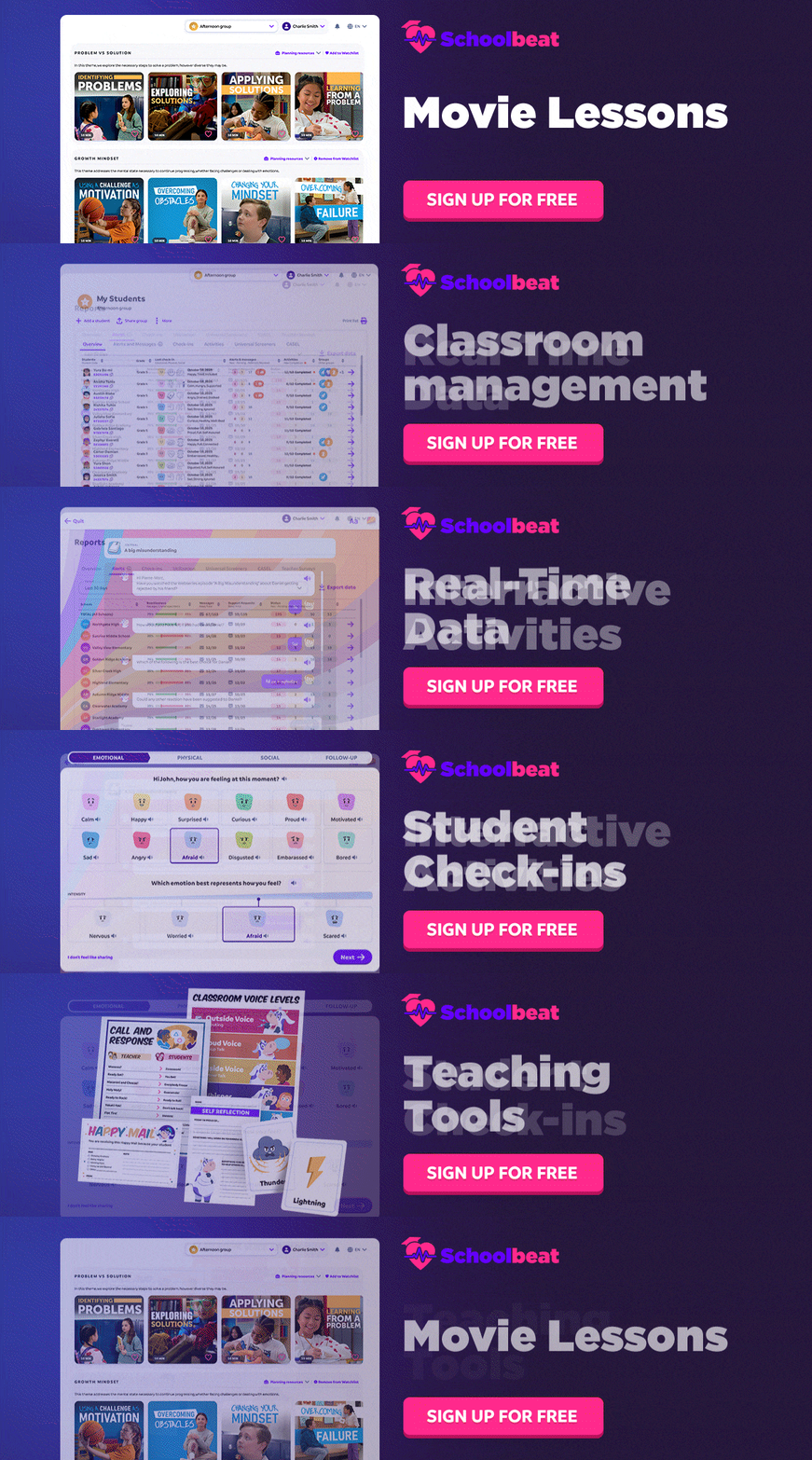
Deep Dive: This shift toward “frictionless” learning is about creating experiences that grab attention instantly without requiring the teacher to perform a monologue. Read more: [The Netflix-Style SEL Lesson: High Student Engagement with Zero Teacher Prep]
The Real ROI: Behaviour, Resets, and Teaching Time
Why are we fighting so hard for consistency? It isn’t just about “wellness.” It’s about the Return on Investment (ROI) for the classroom. When SEL shows up every day, the environment changes:
- Fewer Blowups: Daily check-ins catch small frustrations before they escalate. It also allows students to feel that we are checking on them, and improve their sense of belonging.
- Faster Resets: Behaviour modelling teaches students to learn strategies and a shared language for self-regulation, allowing the room to settle in 60 seconds instead of 10 minutes.
- More Teaching: This is the ROI teachers actually care about. Less time managing behaviour means more time teaching.
But you can’t manage what you don’t measure. Consistency in delivery must be paired with consistency in insight. If you only look at data once a semester, you’re driving with a rearview mirror.
The Insight Gap: Schools don’t need more data; they need better, centralised, timely data. Daily reality matters more than delayed results. Read more: [Why Whole-Child Support Fails Without Daily Student Wellness Data]
Case Study: Sustainable SEL at Westbury UFSD
The implementation of Schoolbeat at Westbury UFSD provides empirical evidence of how frictionless SEL transforms a district. Serving a diverse population (75-80% FARL), Westbury UFSD public school data (NYSED)”
| Metric | Baseline (Winter 23-24) | Final Result (Spring 24-25) | Improvement |
|---|---|---|---|
|
Ease of Teaching |
5.0 / 10 |
10.0 / 10 |
+100% |
|
Student Learning Ability |
4.0 / 10 |
9.7 / 10 |
+142% |
|
Emotion Management |
3.0 / 10 |
8.7 / 10 |
+190% |
|
Social Harmony |
5.0 / 10 |
8.3 / 10 |
+66% |
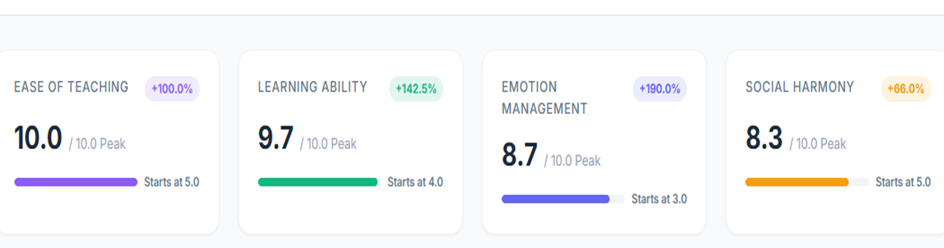
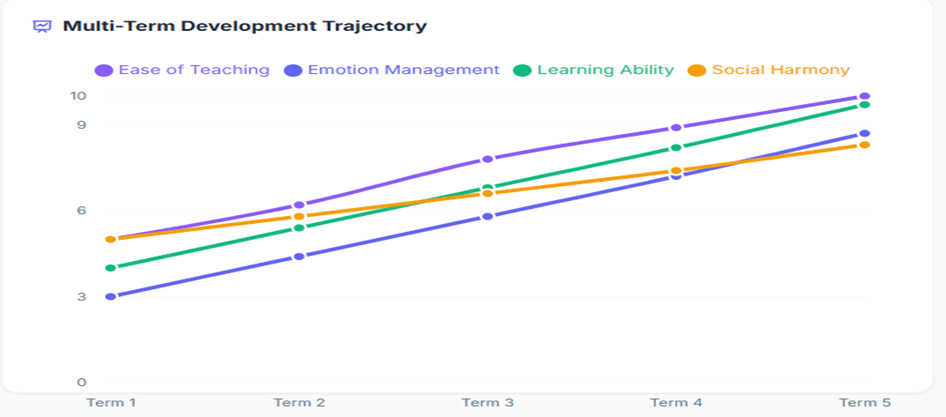
Key Finding: As student emotion management improved, their Learning Ability skyrocketed. This proves that SEL isn’t a distraction from academics; it is the foundation for it.
Read the Full Case Study: Westbury UFSD: Sustainable SEL – How Counsellors Built a Scalable Framework
The Step-by-Step Transition: Moving to Frictionless SEL
Transitioning from a legacy program to a high-consistency, frictionless model happens in four strategic phases:
Phase 1: The Friction Audit: Identify the preparation and implementation “leaks” that currently prevent daily delivery.
Phase 2: Transition to “Facilitator” Mode: Use interactive videos to lead instruction, freeing the teacher to observe and guide rather than perform
Phase 3: Real-Time Data Integration: Implement a daily “Wellness Pulse” so teachers see the classroom’s emotional state before the first bell.
Phase 4: Moving from Fixed to Adaptive: Empower teachers to address what is happening now based on student data.
Learn why rigid calendars fail the “real-world” test. Read more: Why Fixed SEL Scope and Sequences Don’t Work in Real Classrooms
The Mic Drop: Design for Capacity, Not Idealism
The fix for SEL is simple: Stop following a calendar and start following your students. Rigid “Fixed Scope and Sequences” fail because they serve the calendar, not the kids. If your 8th graders are dealing with a social media crisis today, a lesson on “Goal Setting” planned six months ago will fall on deaf ears. Consistency requires flexibility.
The Adaptability Unlock: If SEL can’t adapt, it can’t support the whole child. Read more: [Why Fixed SEL Scope and Sequences Don’t Work in Real Classrooms]
If you’re a school or district leader, forcing teachers to teach SEL won’t get you anywhere. SEL doesn’t need to be more “inspiring.” It needs to be more usable. Focus on giving teachers resources they actually want to use, tools built for the reality of their classrooms, not ideal conditions. Design for teacher reality, and teacher buy-in will follow. When buy-in is present, student outcomes follow.
Frequently Asked Questions (FAQs): Solving the SEL Consistency Gap
- Why do most SEL programs fail after the first 90 days?
The primary reason is “Implementation Friction.” Most programs are designed for an ideal classroom environment that doesn’t exist. When a program requires significant teacher prep, a dedicated 30-minute block, or complex materials, it cannot survive the inevitable “time crunch” of the school year. To succeed, SEL must be designed for low-friction delivery that fits into transitions and existing routines.
- How can we improve teacher buy-in for SEL initiatives?
Teacher buy-in isn’t a motivation problem; it’s a capacity problem. To win over teachers, administrators must provide tools that are low-lift to implement and respect their time. This means moving away from “teach the teacher” programs and toward zero-prep, high-engagement content that is student-driven and actually reduces the teacher’s workload by improving classroom behaviour and focus.
- What is the difference between “Scheduled SEL” and “Adaptive SEL”?
Scheduled SEL follows a fixed, pre-determined calendar regardless of what is happening in the students’ lives. Adaptive SEL uses real-time student wellness data to allow teachers to pivot. If the data shows a spike in anxiety or social conflict, an adaptive system allows the school to address those specific needs immediately rather than waiting for that topic to appear on the “fixed” scope and sequence.
- Why are annual climate surveys insufficient for student support?
Annual surveys provide lagging indicators. tell you what was wrong months ago. To support the “whole child,” schools need leading indicators. Daily wellness check-ins and monthly screeners provide a real-time pulse, allowing for proactive intervention before minor emotional shifts turn into major behavioural incidents or office referrals.
- Does SEL take away too much time from core academic instruction?
Actually, the opposite is true. Research shows that classrooms with consistent SEL delivery see a significant reduction in behavioural disruptions. When you reduce the “time-to-reset” after a transition or conflict, you return 5–10 minutes of instructional time back to the teacher every hour. Consistent SEL is an academic accelerator, not a distraction.
- How do we ensure SEL consistency across an entire district?
Consistency is achieved through standardisation of experience, not just documentation. Districts should provide a centralised platform where every teacher can access Netflix-style, high-engagement lessons with one click. When the barrier to entry is zero, the frequency of use across all buildings becomes predictable and measurable.
Final Call to Action: The Frictionless Audit
Is your current SEL strategy built for the “Ideal World” or the “Real World”? If your teachers are struggling with consistency, the problem isn’t their effort; it’s the tools they’ve been given.
SchoolBeat was designed to solve the consistency gap by removing every barrier to implementation. With zero-prep engagement, real-time wellness data, and an adaptive framework, we help you support the whole child without overextending your teachers.
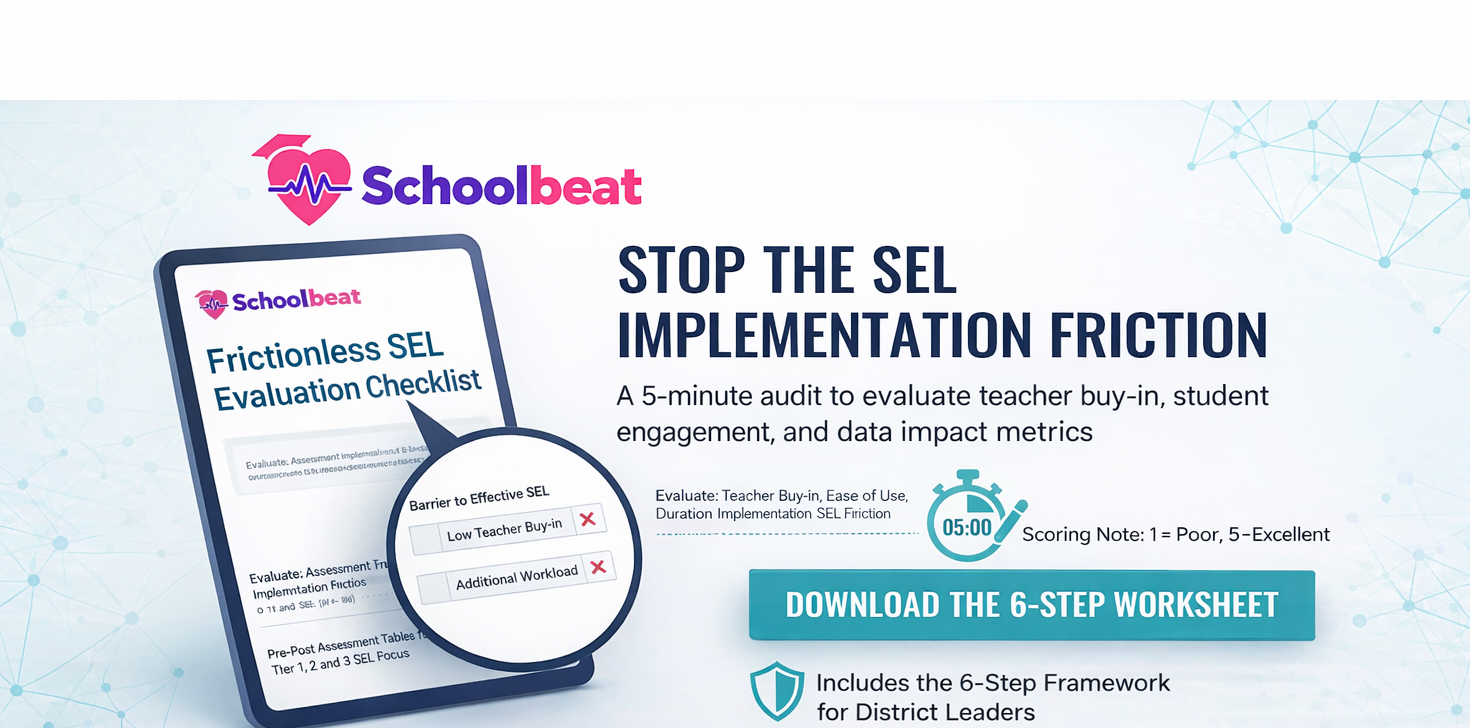
Download the SchoolBeat Frictionless SEL Evaluation Checklist. A 5-minute audit for District Leaders to determine if your current curriculum is built for maximum teacher capacity and student impact